From Fabric to Fashion

A Beginner’s Guide to Planning Your Me-Made Wardrobe

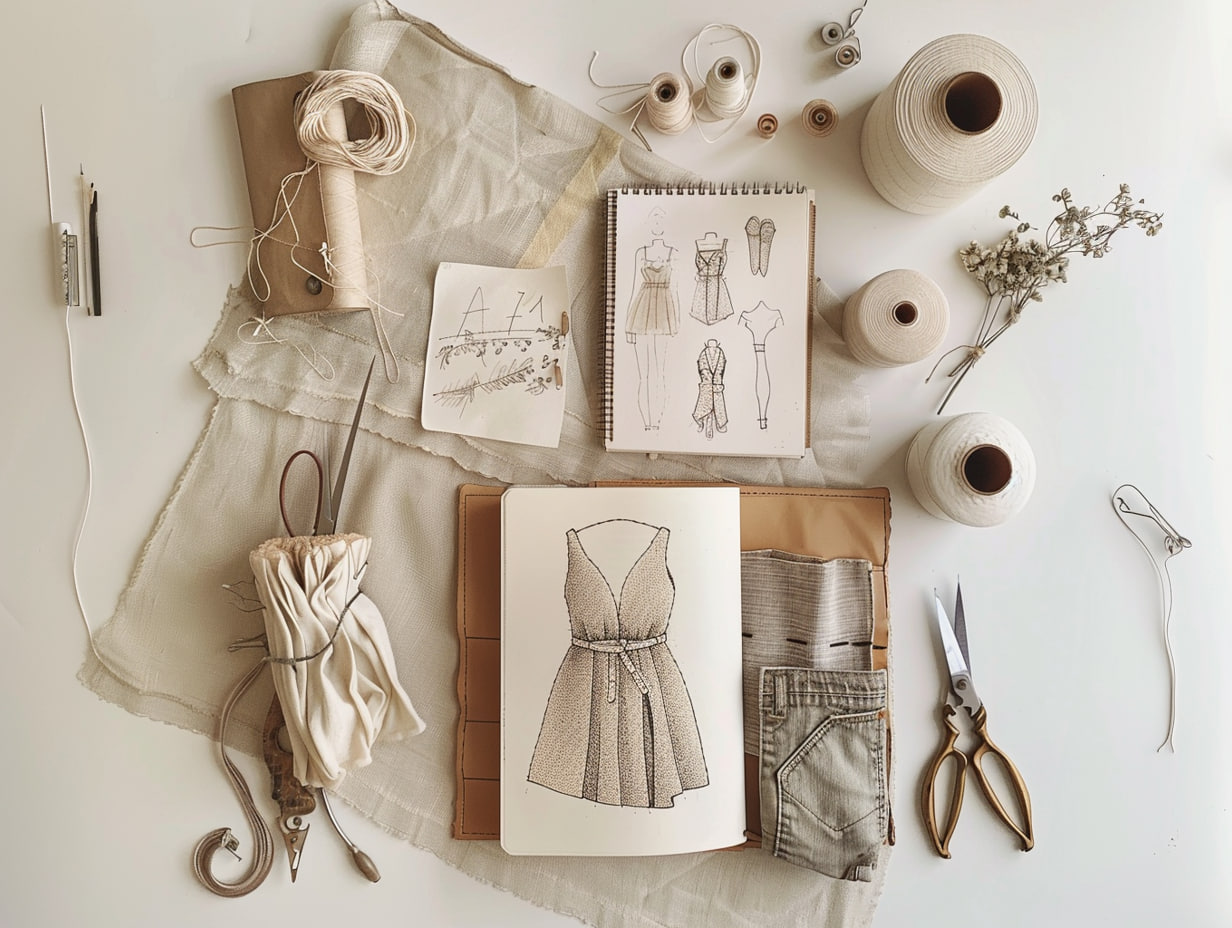
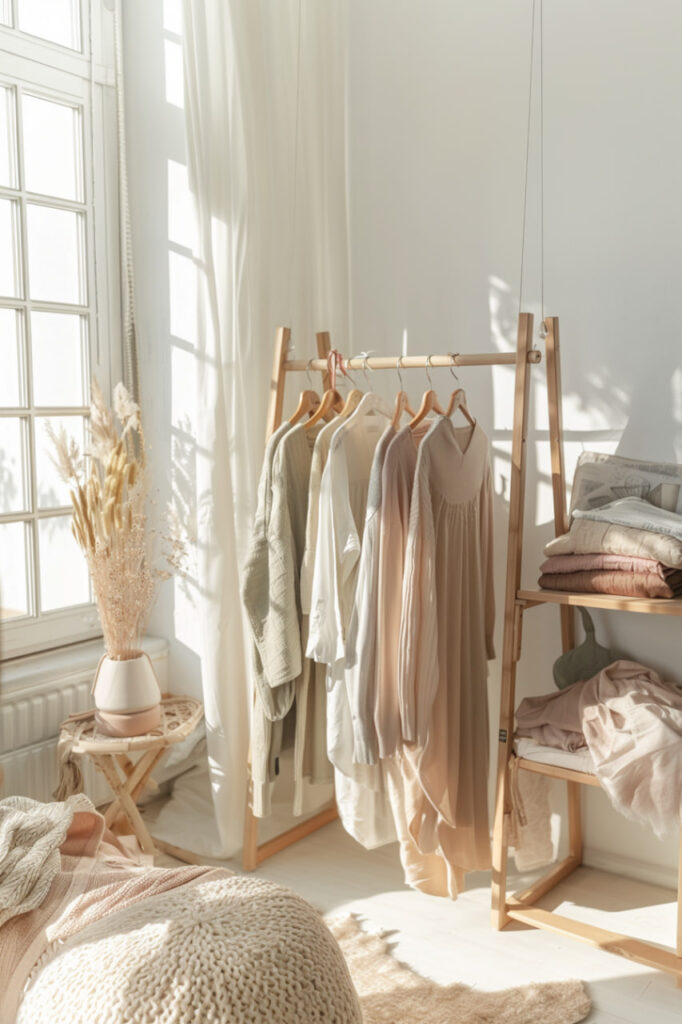
The dream is simple — a closet full of clothes that fit perfectly, reflect your style, and were made by your own two hands. No more ill-fitting fast fashion, no more settling. Just beautifully sewn, thoughtfully chosen garments that you love to wear.
But for many beginner sewists, the idea of sewing an entire wardrobe feels more overwhelming than inspiring. Where do you even begin? How do you choose what to make? And how do you avoid ending up with ten tops, no bottoms, and a pile of unworn projects?
The good news is: building a “me-made” wardrobe doesn’t require you to sew your entire closet overnight. In fact, it shouldn’t. Like any creative goal, it works best when approached with clarity, care, and just a little planning.

What Is a Me-Made Wardrobe?

A me-made wardrobe is exactly what it sounds like: clothing you’ve made for yourself, with your own machine, pattern choices, and personal style. It’s the ultimate expression of DIY fashion — and it’s not about sewing everything from scratch. It’s about being intentional. Your me-made wardrobe can be 20% handmade or 80% — what matters is that it works for you, fits your life, and makes getting dressed feel exciting and personal.

Why Planning Matters

Without a plan, it’s easy to fall into the trap of sewing things you admire but don’t actually wear. That floaty maxi dress might look gorgeous on Instagram, but if you live in jeans and t-shirts, it’s likely to gather dust.

Planning helps you:

 ✔ Focus on pieces you’ll actually wear
 ✔ Choose patterns and fabrics that work together
 ✔ Avoid burnout from sewing too much at once
 ✔ Build a versatile, cohesive wardrobe over time

Think of it like meal prepping — but for your closet.

Step 1: Take Stock of What You Wear (and What You Don’t)
Start by opening your wardrobe and pulling out the clothes you wear most often. What do they have in common? Color? Fabric? Fit? Silhouette?

Then ask:

 ✔ What do I reach for again and again?
 ✔  What do I avoid wearing, and why?
 ✔ What’s missing that I always wish I had?
This mini wardrobe audit will help you identify your style, daily needs, and sewing priorities. You might realize, for example, that you wear knit tops every day but don’t own a handmade one — a perfect place to start.

Step 2: Define Your Core Pieces

A balanced wardrobe needs a mix of tops, bottoms, layering pieces, and the occasional statement garment. Start by choosing 5–8 core pieces you want to make over the next season. Focus on versatility and daily wear.

Think:
✔A basic t-shirt or tank
✔ Apair of elastic-waist pants or shorts
✔A layering cardigan or kimono
✔ A go-to dress for errands or evenings out
✔ A button-up shirt that can be dressed up or down
Choose pieces that can mix and match easily, and you’ll get more outfits out of fewer makes.

Step 3: Choose Fabrics Wisely

Don’t just shop for prints you love — shop for fabrics that fit your real life. If you don’t love ironing, skip the linen. If you’re always on the move, maybe wrinkle-resistant knits are your best bet. Stick to a simple color palette to begin with — 3 to 4 colors that go well together — and mix in neutrals so you can wear your pieces interchangeably.

Step 4: Schedule, Don’t Sprint

You don’t need to sew everything in a month. In fact, you shouldn’t. Choose one or two projects at a time, and give yourself realistic timelines. Celebrate each finish as progress, not perfection. Some sewists follow a monthly project plan; others sew seasonally. The key is to build slowly and intentionally, not to rush.

Step 5: Make Adjustments Along the Way

As you sew and wear your handmade pieces, take notes:
✔ What do you reach for the most?
✔ What feels amazing to wear?
✔ What didn’t turn out like you hoped?
Use these insights to guide your future makes. A me-made wardrobe is living — it grows, evolves, and improves with time.

Your Closet, Your Rules

The beauty of a me-made wardrobe is that it reflects you — your life, your body, your taste. There are no “right” garments to include, no number to hit, and no deadline to meet.
Start small. Plan smart. Sew slow. And little by little, you’ll fill your closet with clothes that feel like home — because you made them that way.

Want some more? Here...

Press to Impress

The Ironing Trick That Instantly Upgrades Your Sewing
There’s a silent hero in every well-sewn garment, and it’s not the machine, the fabric, or even the hands that stitched it. It’s the iron. While it may seem mundane compared to the thrill of cutting fabric or the satisfaction of topstitching, pressing is one of the most powerful tools in your sewing arsenal. And yet,it’s often skipped or rushed, especially by beginners eager to see a project come together.

Read more

Pajamas as Outerwear

Pajamas as Outerwear: The Rise of Relaxed Luxury in Fashion

Pajamas have long been associated with comfort, relaxation, and bedtime rituals.

Read more